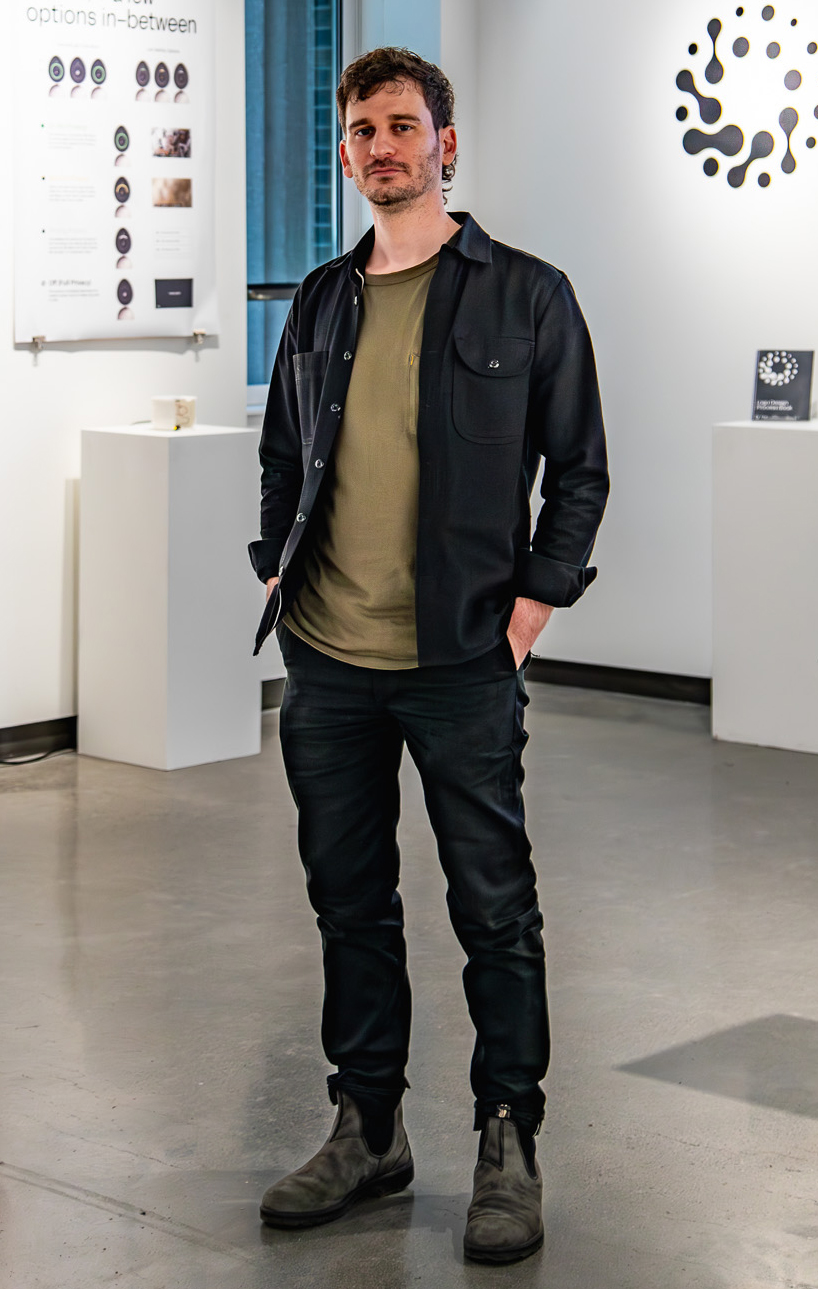
Contact
Art Building, Room 236Cjjpierce@uw.edu
Bio
I'm an Associate Professor and Chair of Interaction Design in the Division of Design at the University of Washington (UW), and an Adjunct Associate Professor in the Human Centered Design and Engineering Department.I direct the Material Interactions (MIX) Lab. I'm also an Amazon Scholar at AWS, the National Design Lead for the NSF SECURE Center, and an affiliate faculty of the UW MHCI+D Faculty Group.
MIX Lab Website
Long Bio
Google Scholar
ORCID
0000-0002-2192-1728
News and Travel
July 2025 Presenting two papers (design patterns for improving trust in sensing devices and an eccentric prototype for an always-listening smart home product) and co-organizing a workshop on AI and Design at DIS ‘25 in Funchal, Madeira.June 2025 Our Arca project is a Core77 Design Awards winner.
February 2025 UW College of Arts and Sciences wrote an article about our work.
December 2024 Our paper on speculative concept videos and location-tracking was conditionally accepted to CHI '25.
September 2024 I'm joining the NSF SECURE Center as National Design Lead.
May 2024 Our prototype-driven research on trustworthy and inclusive interfaces for sensor-based AI systems is an IXDA Design Awards Finalist.
June 2023 Our paper about uneven power dynamics with smart home devices received a Best Paper Honorable Mention award at DIS '23.
January 2023 2 papers accepted to CHI '23: a study of our novel AI-powered smart camera prototype, and a study of a conversational agent for documenting stories of housing insecurity.
October 2022 I received an NSF CAREER Award to study trust and privacy for smart home devices
Recently Published
James Pierce, Gabrielle Queen, and Kristin Tapang. 2025. Wall, An Eccentric Design Probe: Exploring and Exposing the Sense-and-Extract Paradigm. In Proc. DIS '25. [ACM Open Access]James Pierce, Claire Florence Weizenegger, Robyn Anderson, Hope Terpilowski, Wyatt Olson, Lian Bensadon, Faith Ong, and Cobi Stancik. 2025. Arca: Documenting Novel Design Patterns for Improving Interpersonal Privacy with Smart Cameras. In Proc. DIS '25.
[ACM Open Access]
Pierce, James. "Para-functionality." In Lupetti, M. L., Zaga, C., Cila, N., Šabanović, S., & Jung, M. F. (Eds.). Designing Interactions with Robots: Methods and Perspectives. CRC Press. 2024.
Snow, Stephen, Awais Hameed Khan, Ben Matthews, Inmaculada Rodríguez, Audrey Desjardines, Ayanna Seals, Omar Sosa-Tzec et al. "Using Annotated Portfolios to Interrogate Speculative Designs: The Case of Emergent Personal Data Trails." In Proc. of OzCHI '24.
Richmond Y. Wong, Jason Caleb Valdez, Ashten Alexander, Ariel Chiang, Olivia Quesada, and James Pierce. 2023. Broadening Privacy and Surveillance: Eliciting Interconnected Values with a Scenarios Workbook on Smart Home Cameras. Proc. of DIS '23.
[ACM Open Access]
James Pierce, Isha Agarwal, Parag Nandi, Claire Weizenneger, Gwenna Gram, Jade Hurle, Betty Lo, Aaron Park, Aivy Phan, Mark Schumskiy, and Grace Sturlaugson. “Addressing Adjacent User Privacy.” Proc. of DIS '22.
[ACM Open Access]
Neilly Tan, Richmond Wong, Audrey Desjardins, Sean Munson, and James Pierce. “More Than a Camera, More Than a Security Device: Studying How Primary Users Use Smart Home Cameras to Extend Perception, Mediate Action, and Surveil Others.” Proc. of CHI '22.
[ACM Open Access]
James Pierce (2021). “In Tension With Progression: The Frictional Tendencies of Speculative, Critical, and Other Alternative Designs.” Proc. of 2021 CHI Conference on Human Factors in Computer Systems. ACM Press. Best Paper Award Honorable Mention (Top 5% of total submissions)
[PDF] [ACM]
[Short conference presentation]
James Pierce (2021). “Eccentric Sensing Devices: Using Conceptual Design Notes to Understand Design Opportunities, Limitations, and Concerns Connected to Digital Sensing.” Proc. of C&C '21.
[ACM Open Access]
Jesse Benjamin, Nick Merrill, Arne Berger, and James Pierce (2021). “Machine Learning Uncertainty as a Design Material: A Post-Phenomenological Inquiry.” Proc. of CHI '21.
[ACM Open Access]
Recent and Selected Projects
-
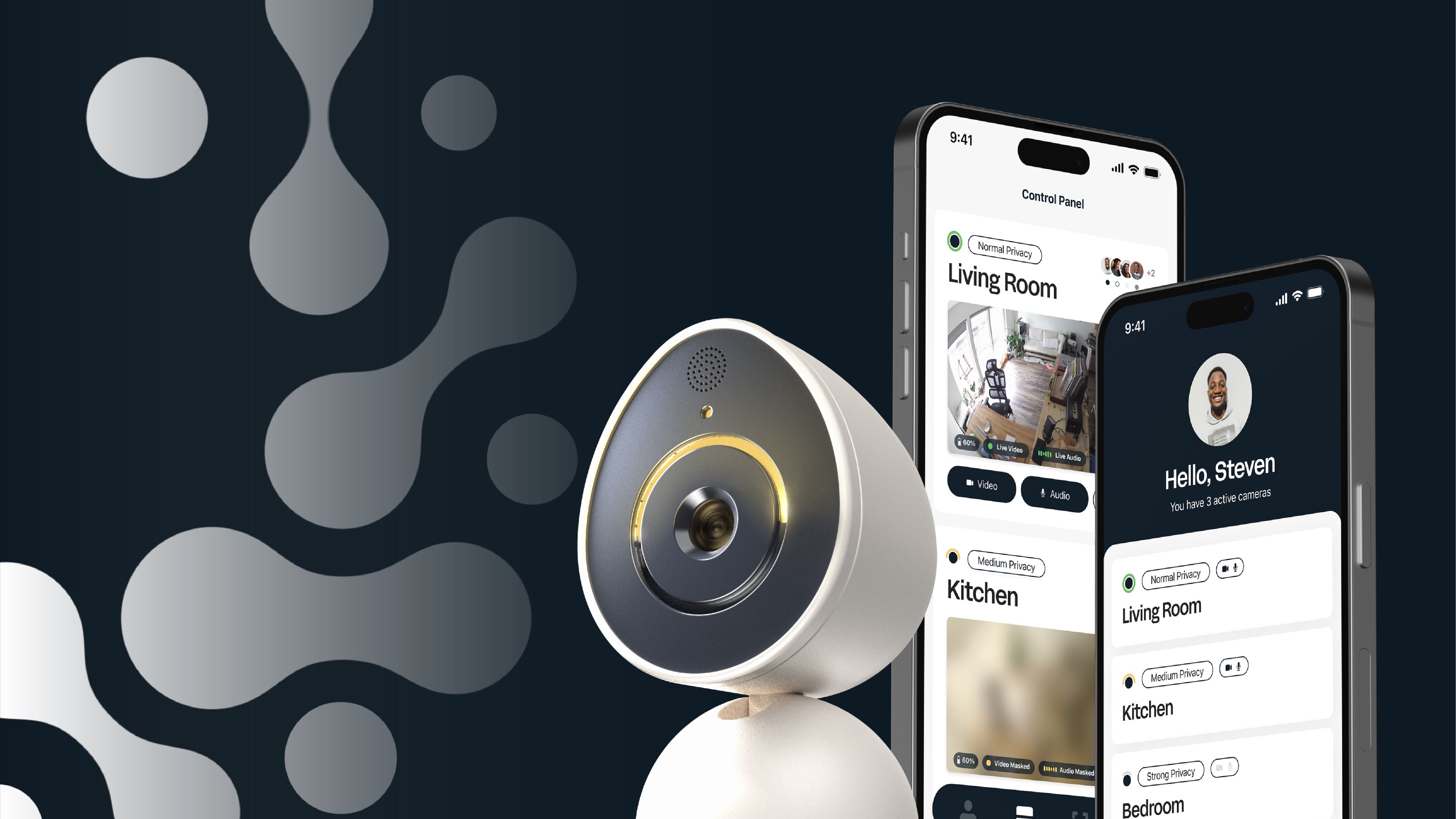
Arca: A Trustworthy and Privacy-Enhancing Smart Home Camera
Prototype-driven research into trustworthy, private, and inclusive interfaces for sensor-based AI systems. -
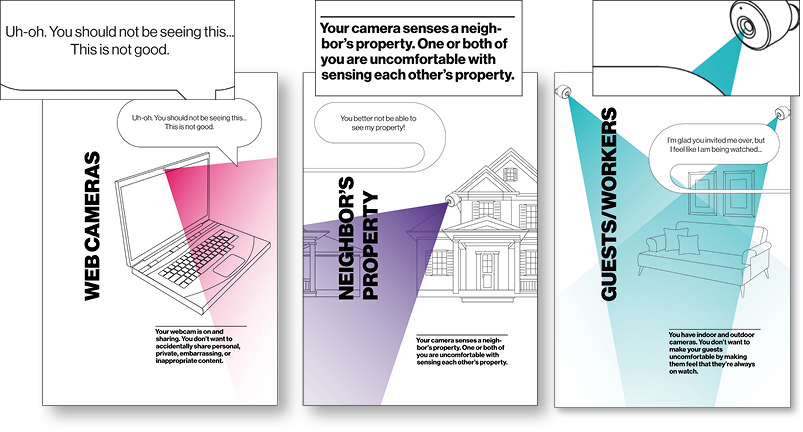
Adjacent User Privacy for Spatial Sensing Technologies
Design proposals, scenarios, and frameworks for addressing privacy of bystanders, co-users, and non-consenting subjects of smart sensing devices. -
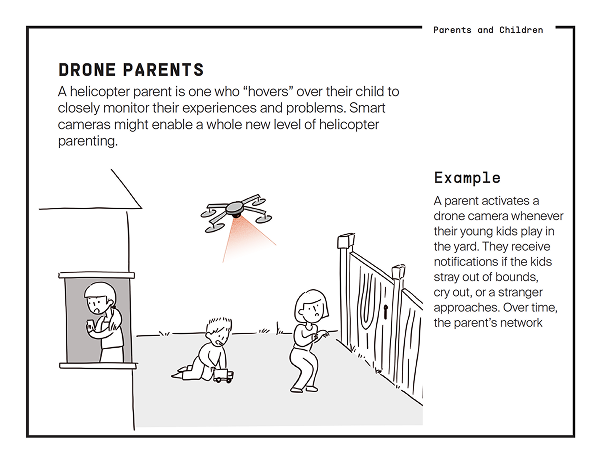
Participatory Scenarios of Power Dynamics with AI Sensor Surveillance -
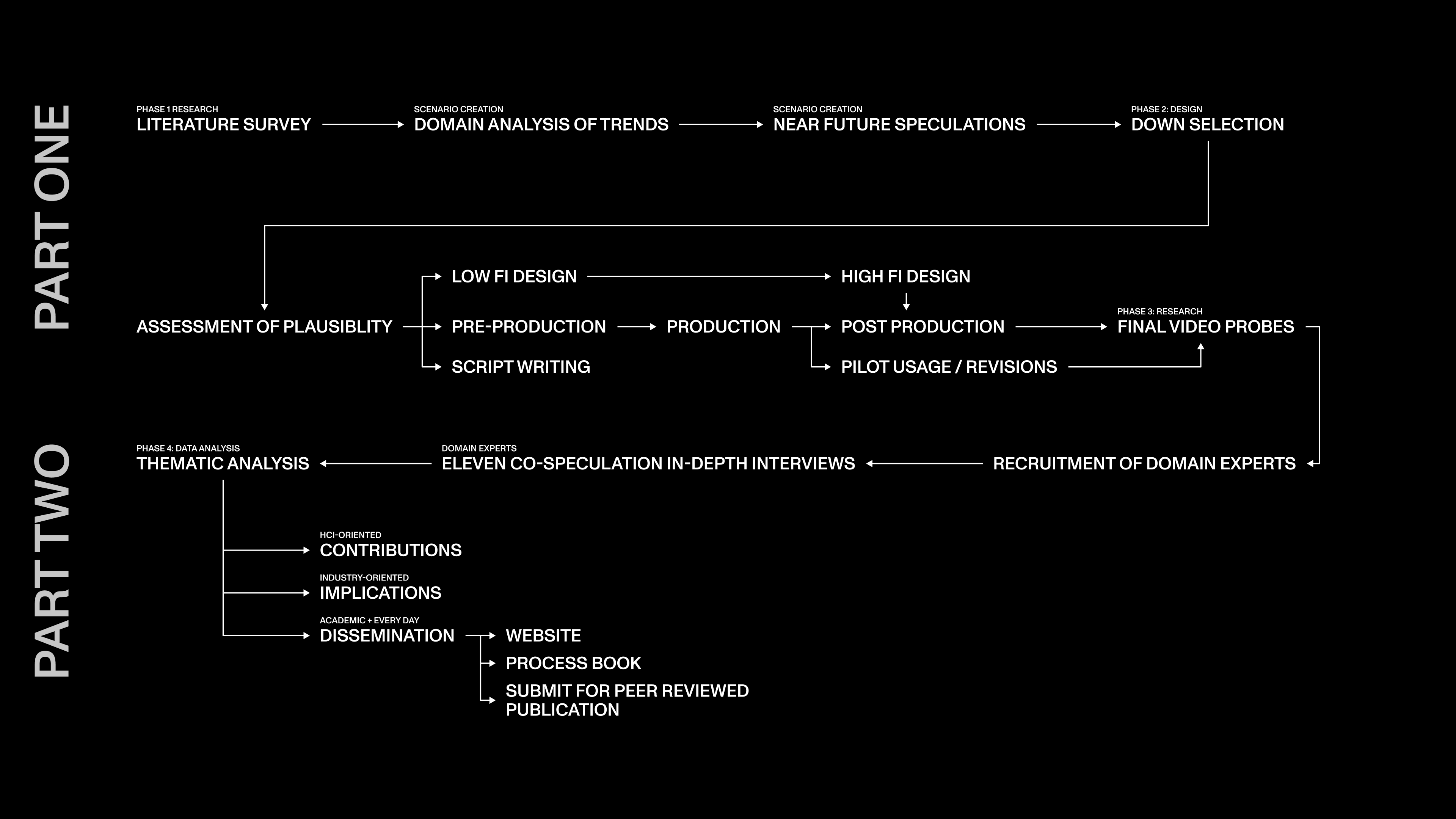
Co-Speculative Design Films Exploring Data Ethics -
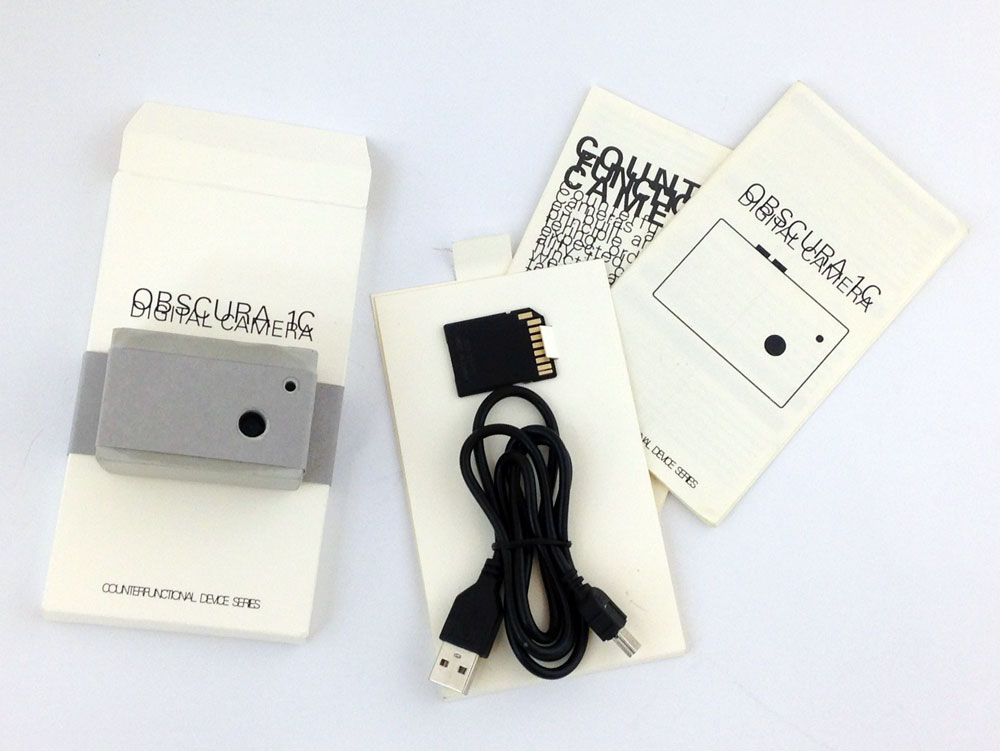
Obscura 1C Digital Camera
A small camera that can records nearly infinite images, but accessing them requires irreversibly smashing the device apart. -
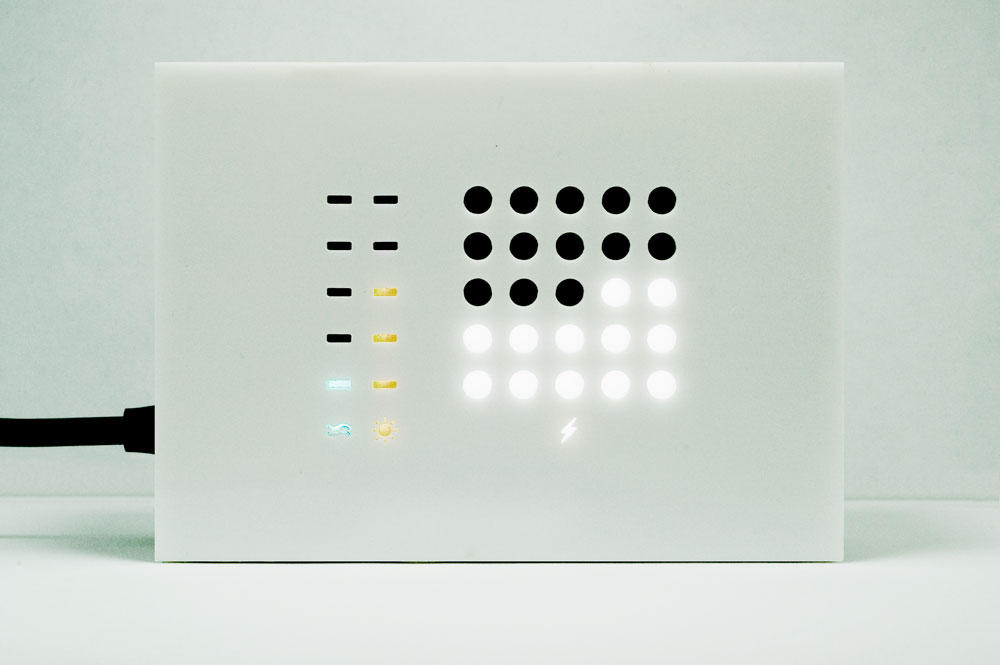
The Local Energy Indicator
A prototype home energy display for domestic wind and solar generation. -

Roomba+Clips
A vacuum that moves where it wants + a camera that photographs what it wants -
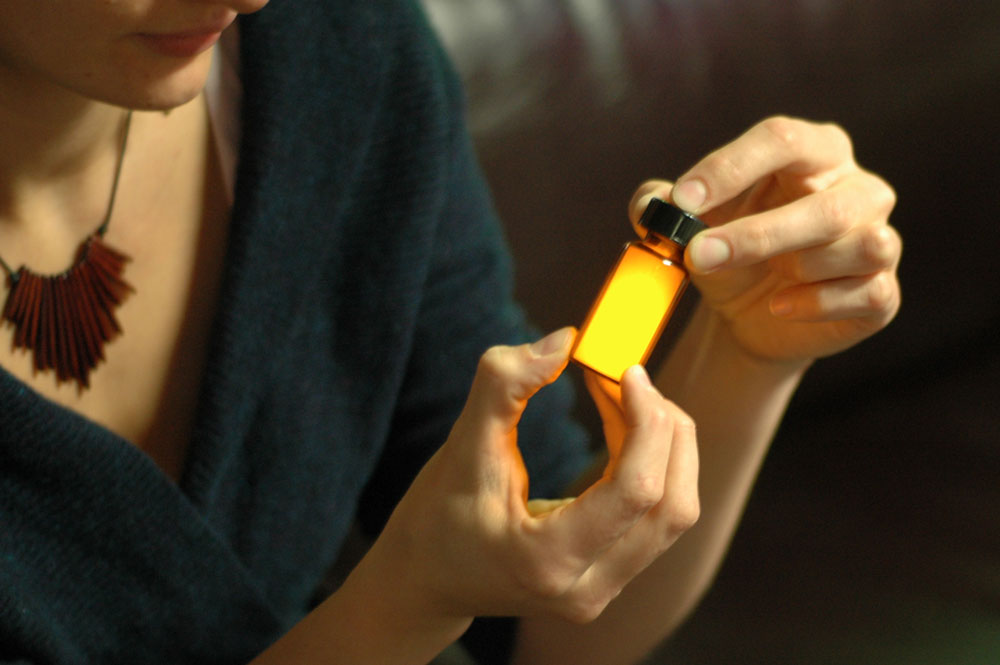
Energy Mementos
Functional prototypes for collecting and sharing small amounts of electrical power and energy. -
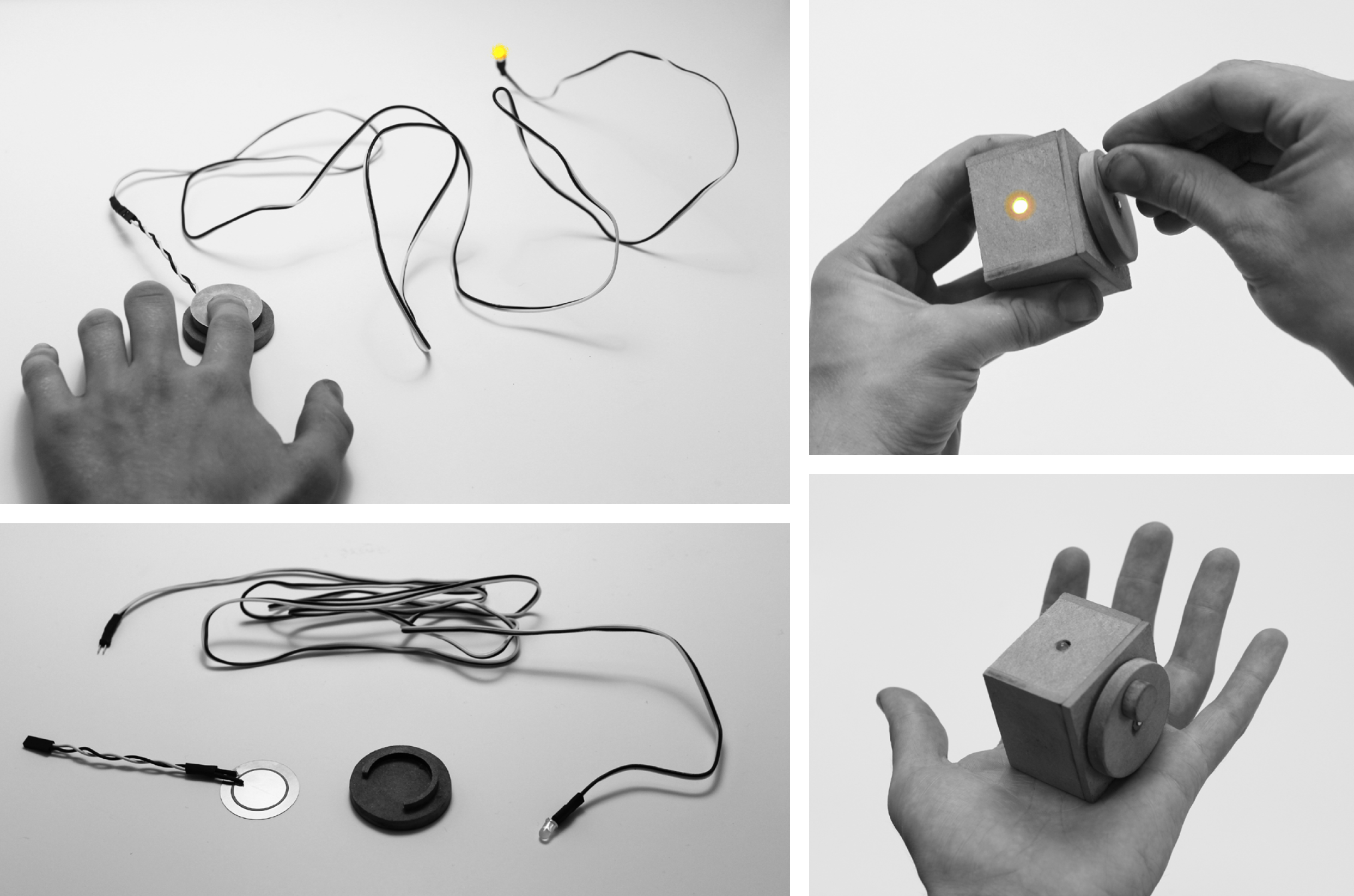
Body-Powered Electrical Materiality Form Studies
Form explorations of human-powered interactivity electricity. -
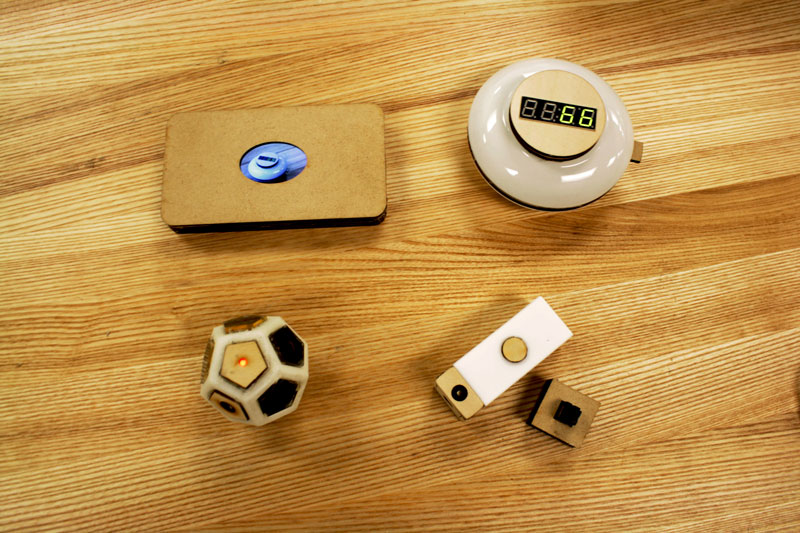
Counterfunctional Devices Study
Design explorations based on the removal and inversion of expected functionality. -
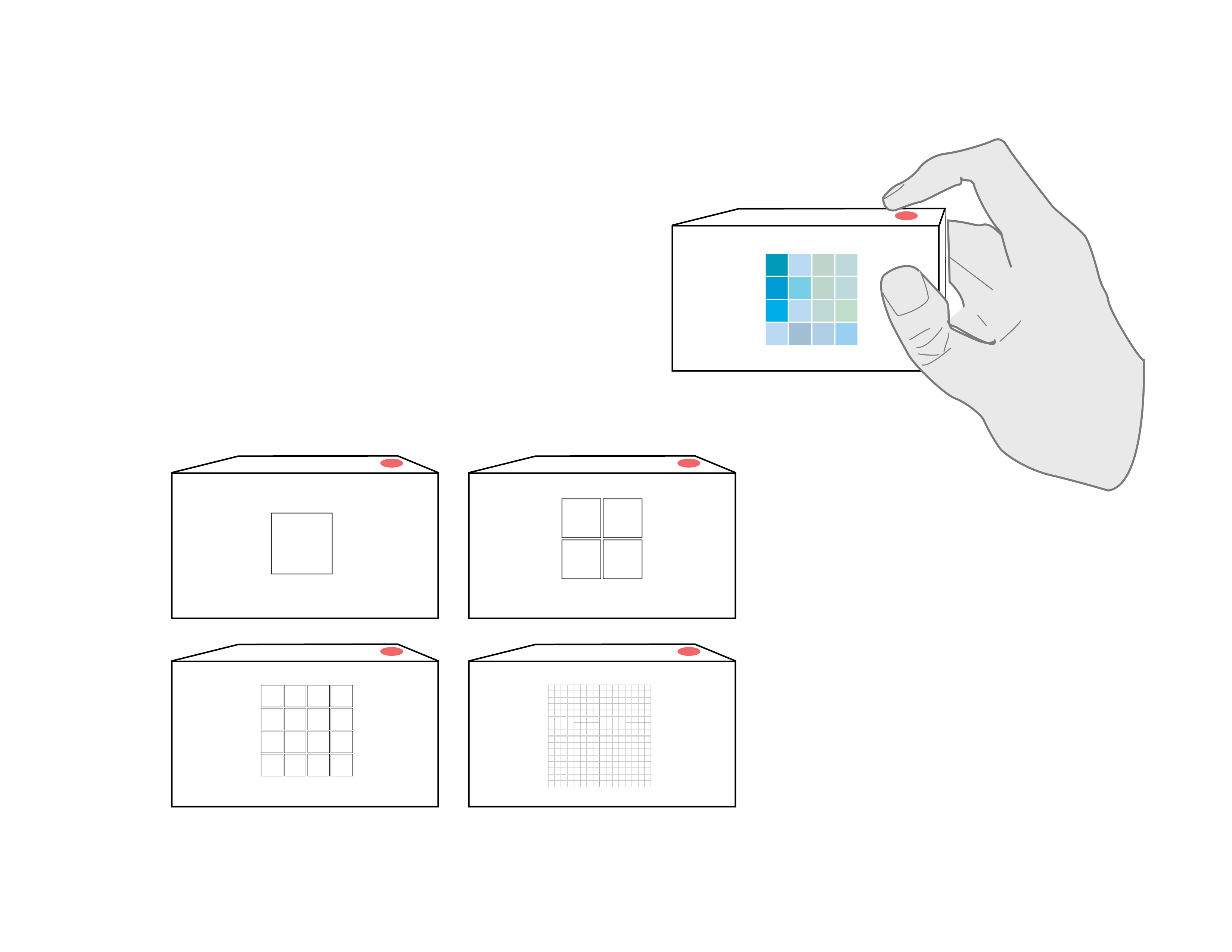
Some Variations on a Counterfunctional Digital Camera
A design booklet presenting a series of counterfunctional camera variants. -
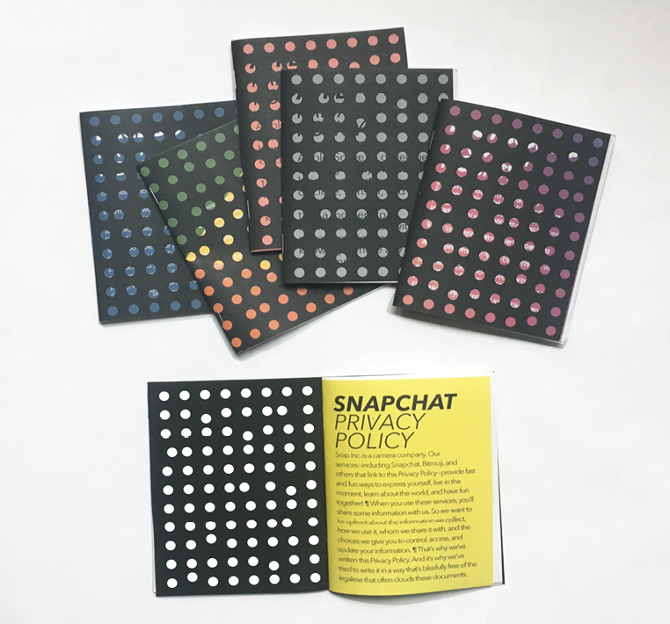
Privacy and Data Policies in Print
Because nobody actually reads them. -

Design Proposals for a Wireless Derouter
A series of design explorations and short essays on disconnecting from the Internet. -

Materializing Energy Design Approach
Tangible interactions with electrical power and energy. -
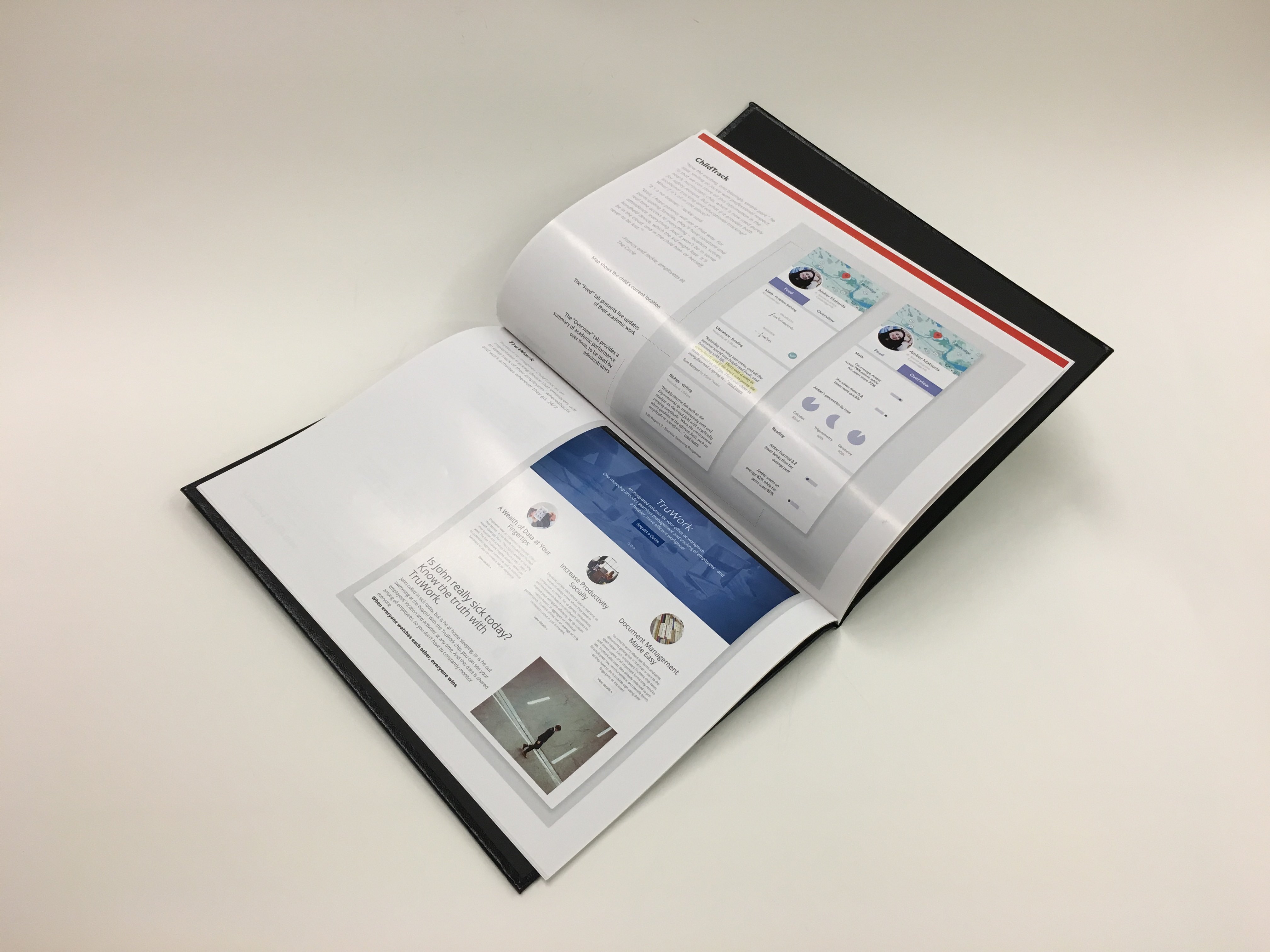
Speculative Biosensing Participatory Workbooks
Speculative designs for eliciting reflections on privacy with biosensing applications. -
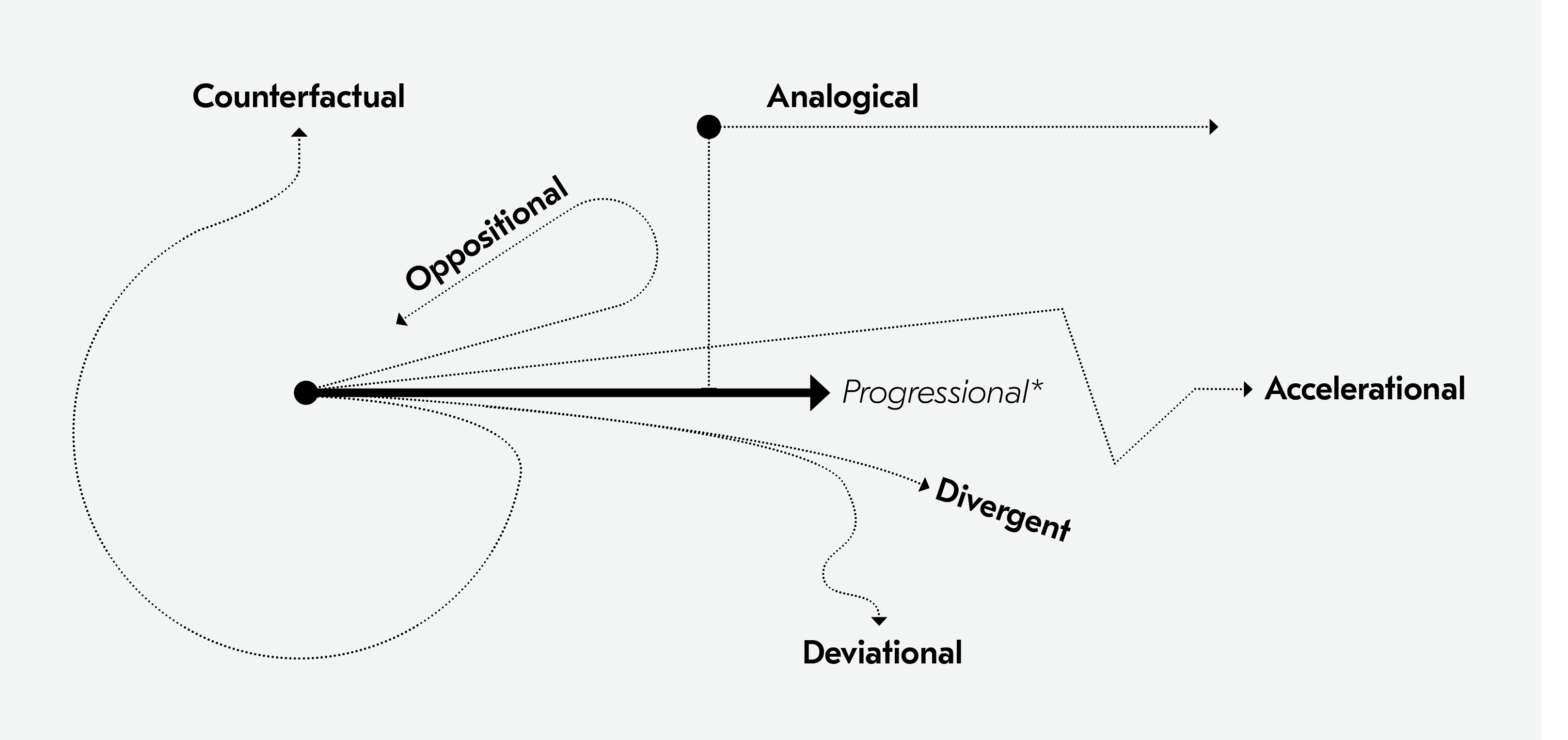
Frictional Design
A theory of speculative design. -

Lamps Curtains Robots
A series of experimental designs and performances exploring the concept of "leaky sensor fields" and techniques for managing them. -
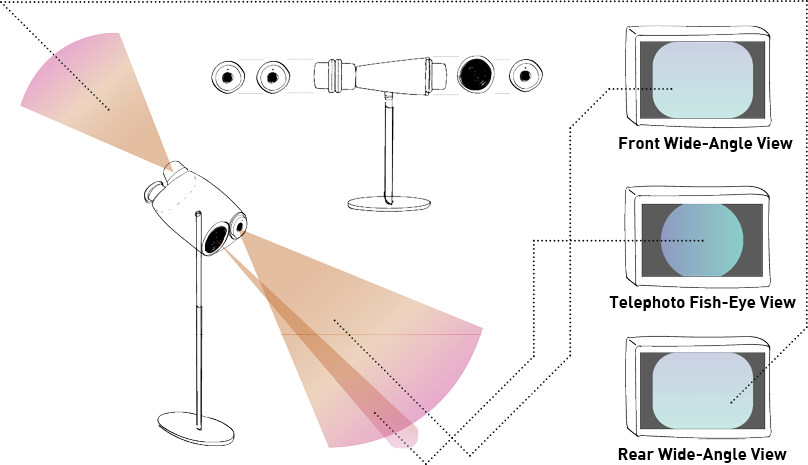
Design Proposals for Eccentric Sensing Devices -
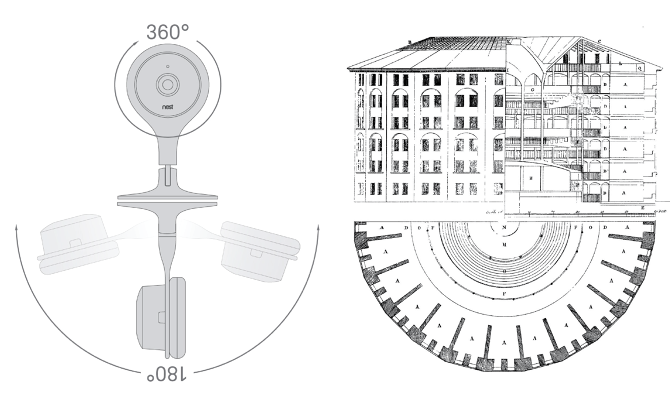
Smart Home Security Cameras and Shifting Lines of Creepiness
Designerly investigations of smart sensors in sensitive everyday spaces. -
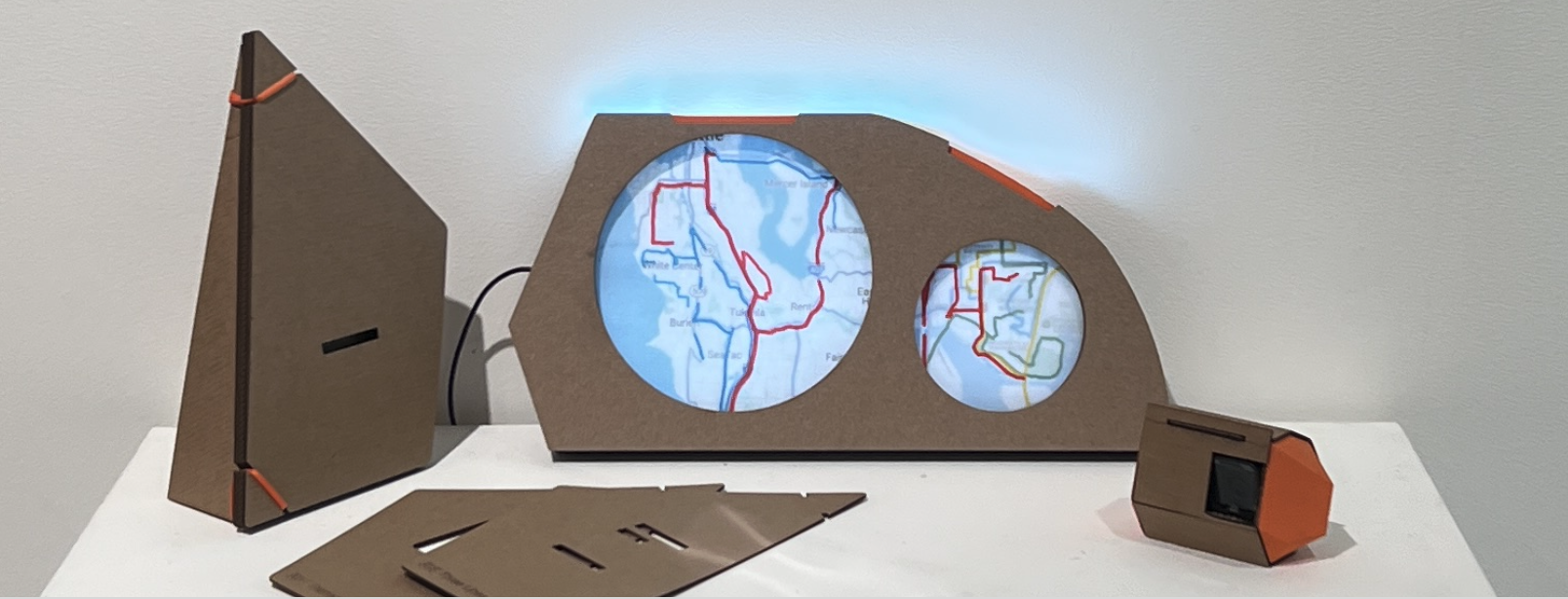
Zone Interfaces and Eccentric Sensing Probes